Economical Fence Installation: Quality Choices That Work for Any Budget
Cost-effective fence installation provides an opportunity for residents to enhance their properties without straining their finances. With thoughtful preparation, property owners can explore various materials and options that fit within their financial means. Recognizing the relationship between price and quality is crucial. This discussion will explore strategies to make informed decisions, ensuring that the chosen fence not only looks appealing but also serves its purpose effectively. What aspects should property owners evaluate to get the most value?
Plan Your Fence Budget
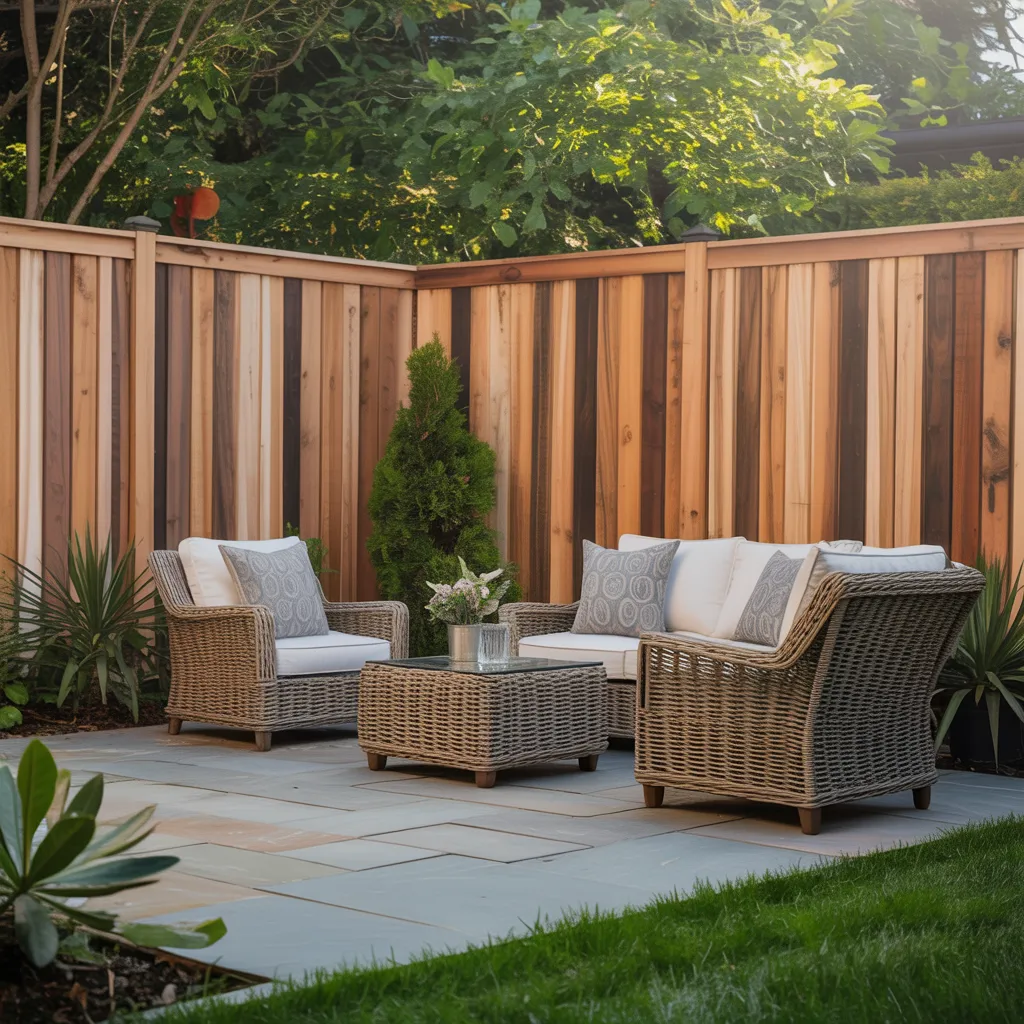
Creating a budget for fence installation is vital for homeowners seeking to handle costs strategically. Determining a clear financial limit helps in making informed decisions throughout the installation process. Homeowners ought to start by assessing their particular fencing requirements, including size, type, and intended use. This preliminary assessment allows them to gauge the overall scope of the project.
Additionally, it is important to factor in other financial considerations, such as labor requirements, permits, and site preparation expenses. Requesting quotes from multiple contractors can also help establish a clearer picture of pricing, guaranteeing that spending boundaries are upheld. Furthermore, homeowners should consider setting aside a financial buffer for unforeseen costs that may surface during the project. By developing a thoroughly considered financial plan, homeowners can navigate the complexities of fence installation while maintaining an equilibrium between cost and quality, ultimately resulting in a successful result.
Budget-Friendly Fencing Materials: How to Choose
When evaluating budget-friendly fencing options, homeowners often wonder which solutions deliver the ideal combination of affordability and longevity. Vinyl fencing stands out as a top contender due to its minimal upkeep needs and lasting durability, often lasting over 20 years. Chain-link fencing is another cost-effective option, providing security without breaking the bank. It remains highly regarded for its functional design and uncomplicated installation procedure.
Lumber, albeit a bit costlier, can offer aesthetic appeal and versatility. Selecting treated wood can enhance its durability against the elements. Composite products, constructed from recycled wood fibers and plastic, provide a green alternative, striking a balance between value and resilience.
Metal fencing, like aluminum options, provides a stylish yet budget-friendly alternative, immune to corrosion and rust. In the end, the choice of fence material ought to match the property owner's preferences, needs, and budget, ensuring a durable and economical solution.
Budget-Friendly Design Concepts for Beautiful Fencing
When looking into budget-friendly fencing design ideas, homeowners frequently consider creative material choices that can improve both appearance and practicality. DIY fencing projects provide a practical means to tailor their property while keeping costs low. By combining innovative designs with hands-on efforts, individuals can create impressive solutions without breaking the bank.
Creative Materials Choices
A wide range of imaginative material options can turn an ordinary fence into an attractive feature without overspending. Repurposed wood, such as pallets or reclaimed barn wood, provides a charming rustic appeal while being cost-effective. Vinyl fence material delivers a sleek, low-maintenance appearance and is offered in a wide range of colors and styles. Moreover, bamboo can create a tropical aesthetic and is often more affordable than traditional wood options. For a distinctive element, metal accents, like ornamental panels or wrought iron features, can upgrade the aesthetic while ensuring durability. Blending these materials can also produce stunning visual contrasts, making the fence the centerpiece of the property. Ultimately, careful material selection can boost both visual appeal and budget efficiency.
Do-It-Yourself Fencing Projects
Transforming a yard with a DIY fencing project can be both fulfilling and economical. Homeowners seeking to improve their outdoor areas frequently discover that straightforward, inventive designs can produce remarkable outcomes. Pallet wood, for example, acts as an inexpensive and adaptable material, enabling the creation of rustic-style fences that are simple to put together. Moreover, wire fencing integrated with climbing plants can form a beautiful boundary while supporting natural greenery. For a contemporary appearance, recycled metal sheets can deliver a polished look without a high price tag. Including materials like bamboo or repurposed items can further help minimize overall spending. In the end, DIY fencing projects not only enhance privacy and security but also provide an opportunity for self-expression and innovation in outdoor spaces.
DIY or Hiring a Professional: Which Option Suits Your Budget-Friendly Fence?
What factors help one decide between handling fence installation independently or enlisting a professional? This determination is frequently influenced by several critical elements. Initially, one should consider their proficiency and background in handling construction work. People who are well-versed in DIY projects might navigate fence installation comfortably, while those less experienced may be challenged by the complexities it presents.
Furthermore, budgetary concerns hold significant importance. DIY projects can save money on labor costs, but one must factor in the expense of tools, materials, and potential mistakes. Furthermore, having adequate time is an important consideration; a packed schedule could make professional services a more attractive option.
In conclusion, the extent of the installation should be evaluated. Straightforward projects might be ideal candidates for DIY efforts, whereas larger or more intricate designs could make good use of professional knowledge. Considering these factors will support an informed decision that suits both financial constraints and intended standards.
Strategies for Locating Affordable Fence Contractors
Finding affordable fence contractors requires thoughtful assessment of available alternatives. Reviewing several estimates allows homeowners to determine the most competitive pricing for their needs. Additionally, checking local listings provides insights into reputable contractors in the area.
Browse Various Quotes
Comparing multiple quotes is essential for anyone seeking affordable fence installation. This method permits homeowners to review diverse pricing frameworks and offerings from multiple contractors. By obtaining at least three estimates, individuals can gain a clearer understanding of the market rates and identify any discrepancies. It is important to examine not only the cost but also the caliber of materials and the extent of work covered in each estimate. Moreover, homeowners should seek information on warranties and completion timeframes, as these aspects can considerably influence overall satisfaction. By carefully comparing quotes, individuals can make informed decisions, ensuring they select a contractor who provides both value and quality, culminating in a satisfying and economical fencing undertaking.
Browse Local Listings
After evaluating multiple quotes, homeowners can additionally improve their quest for affordable fence contractors by reviewing local listings. Local directories, community boards, and online platforms like Yelp or Angie's List deliver helpful details regarding nearby professionals. These listings often include customer reviews, ratings, and contact information, allowing homeowners to reach educated decisions. Moreover, local listings can uncover exclusive promotions or discounts offered by contractors keen for business. It's wise to cross-reference listings with social media platforms, as several contractors present their projects and customer testimonials there. By making use of these resources, homeowners can find dependable contractors who match their budget and requirements, making certain they get quality service without breaking the bank.
Cost-Effective Fence Maintenance Tips
Proper maintenance is vital for guaranteeing the durability and performance of every fence. Regular inspections can help identify issues such as rust, rot, or loose panels. Homeowners should clean their fences periodically, removing dirt and debris that may cause damage over time. For wooden fences, applying a protective sealant every few years can prevent moisture damage and extend lifespan.
Additionally, it is advisable to trim surrounding vegetation to stop overgrowth, which can create structural damage. Tending to minor damage promptly can save on expensive replacements down the line. For metal fences, anti-rust treatments are critical, while vinyl fences can be maintained with occasional washing to keep up appearance.
In conclusion, knowing the local climate can inform service timetables. In areas with harsh weather, additional upkeep may be needed. By find out more adhering to these cost-effective maintenance suggestions, residents can ensure their fence structures remain durable and attractive for years to come.

Questions We Often Receive
What Are the Average Costs for Fence Installation in My Area?
The average price for fence installation in the area usually range from $1,500 to $4,000, based on the materials used and yard size. Property owners are encouraged to gather several quotes to ensure they get the best pricing available for their project.
How Much Time Does Fence Installation Take?
Installing a fence usually spans one to three days, depending on factors such as fence type, terrain conditions, and crew size. Weather conditions may also impact the total timeline significantly.
Is It Possible to Use Recycled Materials for My Fence?
Absolutely, it is possible to use recycled materials for a fence. Numerous homeowners choose reclaimed wood or repurposed metal, which not only lowers expenses but also supports sustainability, making it a sustainable option for fencing projects.
What Permits Are Required for Fence Installation?
Municipal regulations commonly require permits before installing a fence, varying by jurisdiction. Homeowners should consult their city or county planning office to guarantee they meet zoning laws, height restrictions, and property line guidelines before beginning construction.
How Do I Choose the Right Fence Height?
To select the ideal fence height, one should consider zoning requirements, privacy needs, and design preferences. Moreover, assessing the local surroundings and desired function can help guide your choice, making certain the fence meets practical and visual requirements.